Core Differences Between Laser Lights and LED Lights
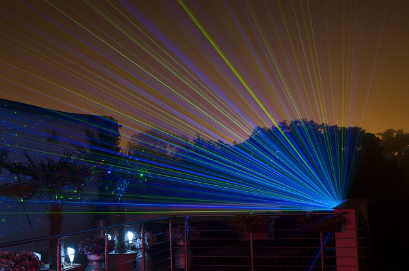
Laser lights and LED lights each have advantages in stage applications, with stage laser lights being the preferred choice for high-end performances due to their unique capabilities. In terms of light sources: stage laser lights use semiconductor solid-state lasers with 95% color purity, far exceeding the color saturation of LED stage lights (which emit light through phosphors with lower saturation). Brightness performance: A 15W stage laser light has twice the penetration of a same-power LED stage light, standing out even in high-brightness stage environments. Dynamic effects: stage laser lights support 16.7 million color gradations and high-speed scanning animations, simulating complex stage scenes such as auroras, time tunnels, and text bullet screens—offering 50% more dynamic modes than LED lights to meet concert interaction needs. Cost considerations: stage laser lights have a higher initial purchase price (15,000-25,000 RMB for 20W models) but a service life exceeding 20,000 hours, making them cost-effective for frequent performances. Application scenarios: stage laser lights are suitable for large concerts, theme galas, and other events requiring strong visual impact and interaction, while LED lights are more suited for basic stage lighting and auxiliary decoration.